
For generations, the Technics SL-1200 has been more than a turntable.
It was the turntable DJs aspired to own, spent countless hours practising on, and came to expect as the standard in DJ booths around the world. From clubs and bedrooms to radio stations and DMC battles, few pieces of equipment have been as closely connected to the evolution of DJ culture.
The relationship with DMC runs particularly deep. As competitive DJing evolved from mixing into scratching, beat juggling and turntablism, Technics became a fixture on DMC stages around the world.
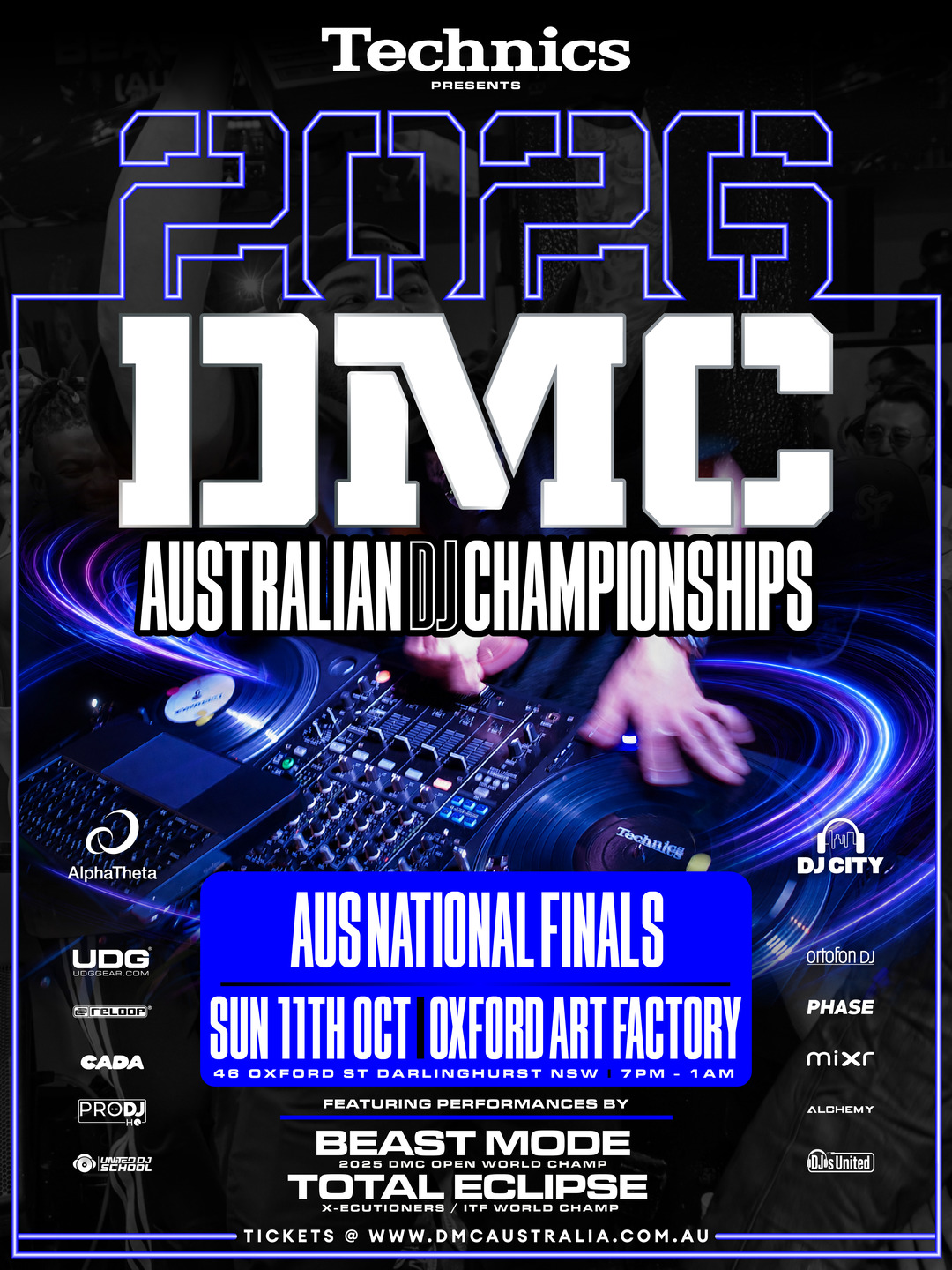
In 2026, that relationship continues with another chapter here in Australia, as Technics returns as Presenting Sponsor of the Australian DMC DJ Championships.
When the turntable became an instrument
Technics had already changed turntable engineering in 1970 with the SP-10, the world’s first direct-drive turntable. By removing the belt and driving the platter directly from the motor, Technics dramatically improved rotational stability, technology that quickly earned the trust of professional broadcasters.
But the SL-1200 in 1972 brought those advantages together in a package that proved almost ideal for the emerging club DJ.
Its solid aluminium construction and isolation from external vibration helped keep records playing reliably in loud nightclub environments. A substantial platter, strong direct-drive torque and fast start-up also gave DJs greater control when cueing a record and dropping the first beat exactly where they wanted it.
Even its rotary pitch control, originally intended to compensate for small variations in playback speed, found a completely different purpose. DJs discovered they could use it to change the tempo of one record and match it to another.
Beatmatching was possible, but keeping two records locked together was still a challenge.
I remember starting on CDC belt-drive turntables with rotary pitch controls. You could get two records in time, but they would continually drift. Keeping a mix together meant constantly listening, touching the record and nudging or slowing it by hand to bring the beats back into line. A lot of DJs who learned on similar equipment will remember exactly what that was like.
Then came the SL-1200MK2 in 1979.
Technics had watched how DJs were using the original SL-1200 and responded with a turntable increasingly designed around them.
The rotary pitch control became a vertical pitch fader, making the fine adjustments needed for beatmatching far more natural and precise. It proved so effective that the same basic pitch-slider layout remains familiar across turntables, media players and DJ controllers today.
Just as importantly, the MK2’s quartz-controlled direct drive held the selected speed with far greater precision.
For DJs, that combination was a major turning point. You could find the right tempo with the pitch fader and trust the turntable to hold it. Longer, tighter mixes became possible without constantly fighting the equipment.
For DJs coming through the 1980s and 1990s, owning a pair of Technics became a milestone. DMC World Championship videotapes were being passed around between DJs, exposing a generation to techniques being pushed further every year on the world stage.
Scratching, cutting, backspins and increasingly technical routines showed that the turntable could be much more than a tool for mixing one record into another.
It wasn’t only about holding a mix anymore. DJs were discovering just how far the turntable could be pushed creatively.
For a generation of DJs who had started on whatever equipment was available, getting onto Technics opened up another level. As mixing, scratching and turntable techniques advanced, owning a pair of SL-1200s became less of a luxury and more like the equipment you needed to take your craft further.
The equipment wasn’t fighting you anymore. The turntable had become an instrument.
Technics and DMC
DMC DJs took that instrument and pushed it even further.
What began with mixing developed into increasingly complex scratching, cutting, beat juggling and routines. Records were no longer simply being mixed. DJs were taking sounds apart and rebuilding them live.
Through that evolution, the SL-1200 became synonymous with the DMC stage.
And if the standard black and silver Technics represented the tools of the trade, the Gold Technics represented something else entirely.
I still remember the DMC World Finals in Rimini in 1996, where the first batch of the limited-edition Gold SL-1200LTD was on display, including some of the very first, low-serial-number decks.
For a DJ at the time, seeing them for the first time was unforgettable.
From 1972 to a new generation
The SL-1200 has never stood completely still.
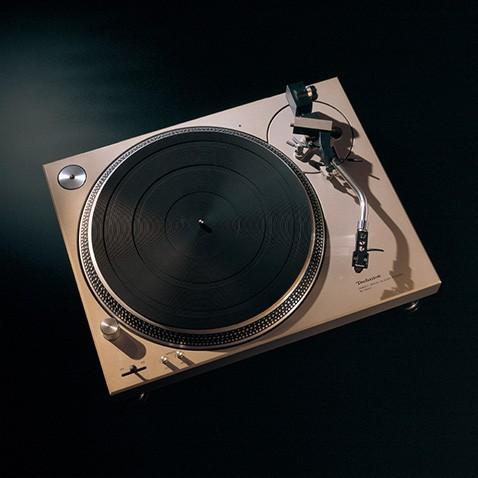
1972
SL-1200 Where it began.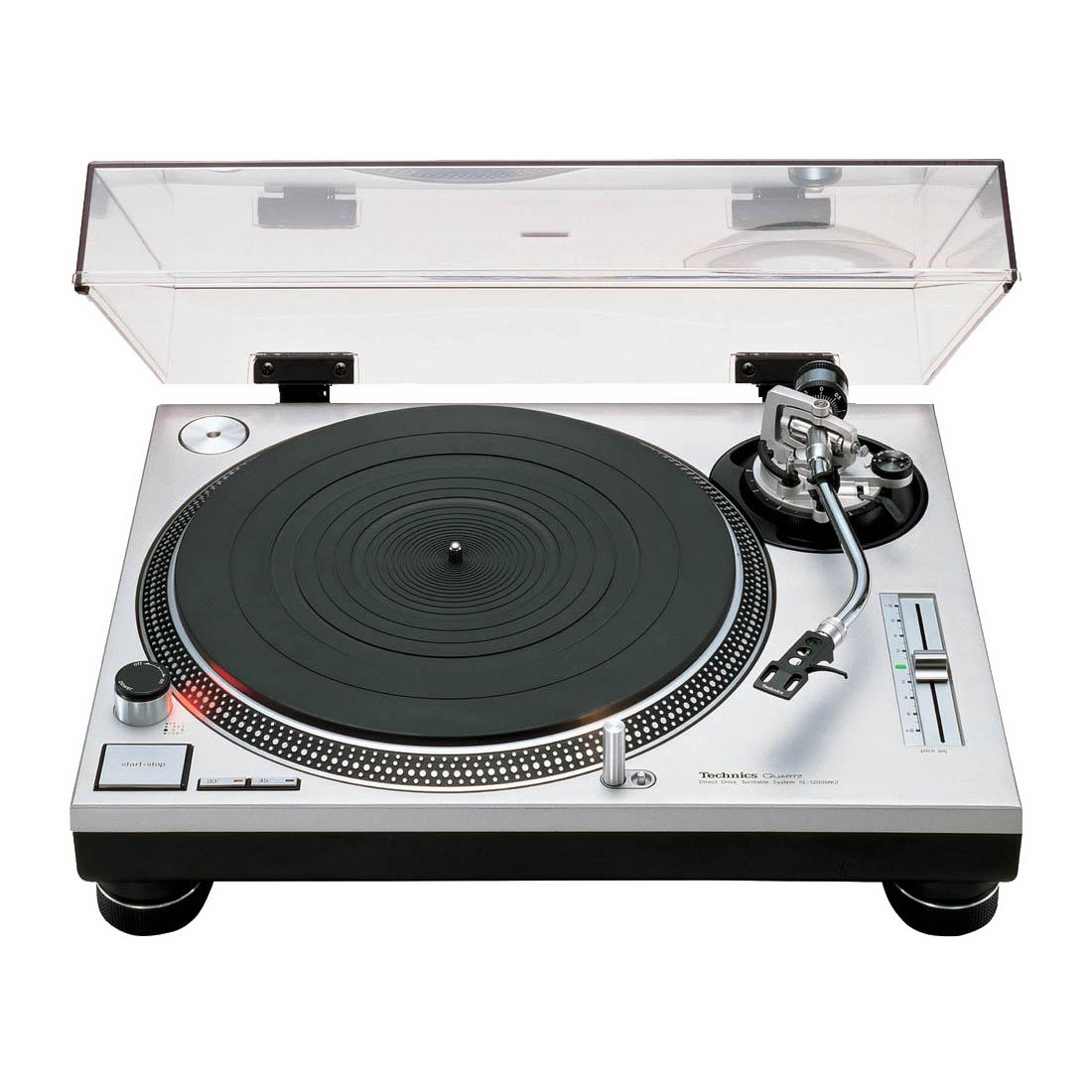
1979
SL-1200MK2 The DJ game changer.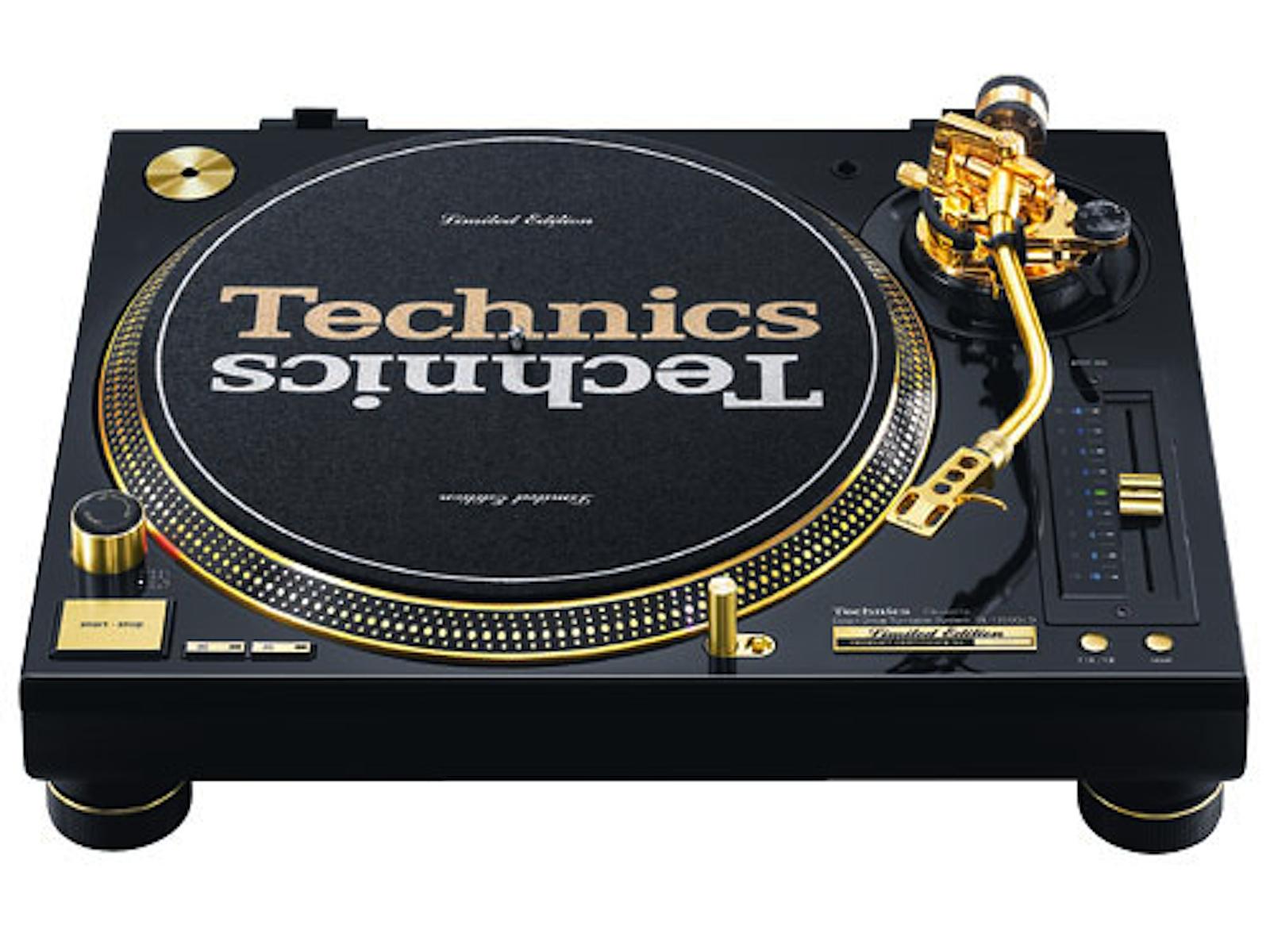
1995
SL-1200LTD The Gold limited edition.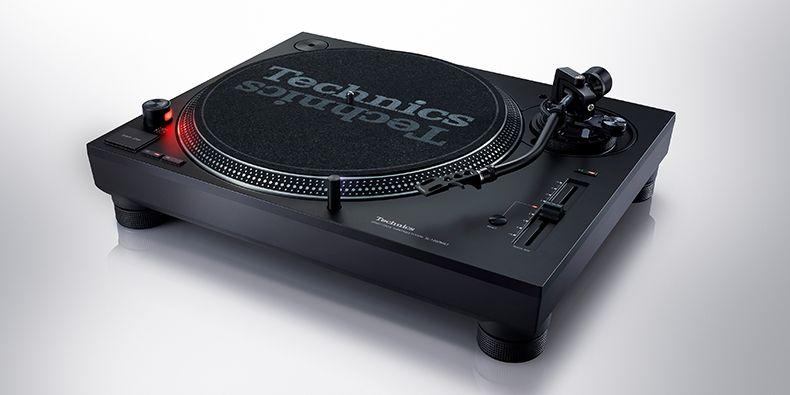
2019
SL-1200MK7 A new generation of the DJ turntable.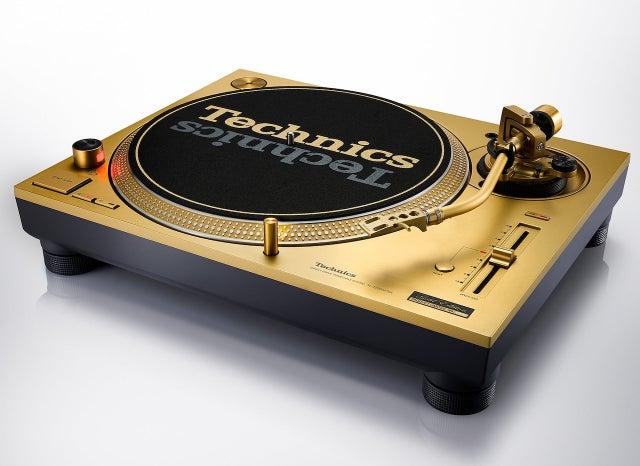
2026
SL-1200M7GL 55th Anniversary Limited Edition.The MK7 marked another generational change. A new generation of DJs wanted the SL-1200 experience without the weight of the traditional models. The MK7 delivered a significantly lighter build while retaining the exact layout DJs had known for decades, adding a coreless direct-drive motor, digital pitch control and modern performance features.
By then, DJ culture itself had transformed. The equipment had evolved, the way DJs performed had evolved, and the next generation was entering the craft through entirely new technology. DMC would evolve with it.
As DJ culture evolved, so did DMC
Today’s DJ might start on a controller, CDJs or software rather than two turntables and a mixer.
DMC Open
DMC now reflects that reality through DMC Open, allowing DJs to compete using modern DJ technology and bring mixing, scratching, live edits, mashups, effects and performance together.
DMC Classic
At the same time, DMC Classic keeps the traditional turntable discipline alive.
The technology changes. New generations arrive. But the skills and ideas developed by the DJs before them continue to influence what comes next.
The legacy continues in Australia
This year, Technics presents the 2026 Australian DMC DJ Championships, continuing a relationship between Technics and DMC that stretches across generations of competitive DJing.
For the Australian Classic Champion, that relationship becomes very real.
Thirty years after those early Gold LTD decks were displayed at the DMC World Finals in Rimini, the latest generation of the SL-1200 is again part of the DMC story, this time here in Australia.
Australia’s next DMC Classic Champion gets to take the pair home.
Australian National Final
Sunday 11 October, 7pm to 1am
Oxford Art Factory, 46 Oxford St, Darlinghurst